

 Come together with the global Drupal community in Rotterdam, 28 Sept – 1 Oct 2026. Sessions, contribution, connection, and Early Bird savings until 8 June.
Updated: #174
Problem/Motivation
drupal_pre_render_html_tag() is not specific in allowing which tags can be void (no closing tag).
Proposed resolution
Only allow void elements to have no closing tag.
Remaining tasks
None
User interface changes
None
API changes
None.
Original report by @samj
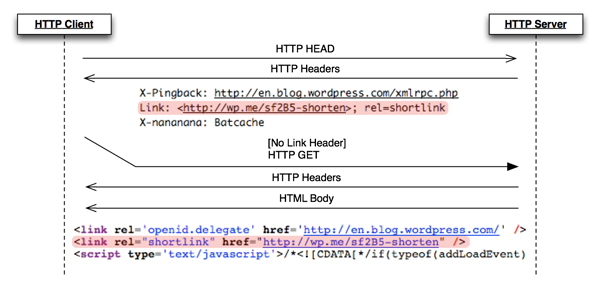
Please add support for the rel=shortlink standard so as clients can auto-detect the short links rather than having to manufacture their own.
Beta phase evaluation
| Issue category | Bug because elements that are not intended to self-close, do if their value is empty. |
|---|---|
| Issue priority | Major because it causes unintentional markup bugs. |
| Prioritized changes | The main goal of this issue is DX and TX for markup generation |
| Comment | File | Size | Author |
|---|---|---|---|
| #188 | self-closing-tags-552478-188.patch | 7.74 KB | jhedstrom |
| #188 | self-closing-tags-552478-188-will-fail.patch | 4.04 KB | jhedstrom |

Comments
Comment #1
icecreamyou commentedThis has nothing to do with Shorten URLs--this module just retrieves the shortened URL. It's up to other modules which use the shortened URL to designate that they do so. In particular, your request may be more relevant to the ShortURL module, because it doesn't require a third-party service to come up with a shortened URL. In addition, for Shorten URLs to do what you're suggesting could dramatically slow down all page loads, not to mention that the shortlinks could change every time a page was loaded on some systems.
Also, the shortlink "standard" is not quite a standard [yet] as it has to compete with shorturl and canonical.
Comment #2
pwolanin commentedHad an interesting talk at lunch with samj about short url and cannonical url in core - moving the issue
Core could provide the the node/$nid link by default as a short link, and should also provide a rel=canonical link to help with the SEO problem of duplicate page content, especially if path module is enabled.
http://googlewebmastercentral.blogspot.com/2009/02/specify-your-canonica...
Comment #3
robloachI think this is contrib territory. IceCream is right, http://drupal.org/project/shorturl is what you're looking for. Also check http://drupal.org/project/shortlink .
Comment #4
icecreamyou commentedI think this could go in core eventually, but not until some kind of real standard has been solidified. For now, it's fine in contrib.
Comment #5
pwolanin commenteddiscussed with Rob last night - I think basic support for this in core AND a better API for adding links, etc, to the page header would be very useful.
We are already adding rel="canonical" in comment module, so really we jsut want to improve on that existing code
Comment #6
pwolanin commentedthis issue also describes part of what we are doing #567482: Allow <link> tags to be added as attached structures
Comment #7
pwolanin commentedComment #8
pwolanin commentedpatch written 50% by samj and by me at code sprint.
Comment #9
pwolanin commentedthis changes the API. Function signature for drupal_add_html_head() changes substantially, and a new optional param for drupal_add_link(). Also adds a new system element and theme function.
Comment #11
pwolanin commentedneeded an extra space in the theme function to match the expected test strings, also added some suggestions for the changelog
Comment #13
pwolanin commentedleft a bit of stray code in system.module
Also fix doxygen for function drupal_add_html_head()
Comment #14
pwolanin commentedas a side note, this feature is already deployed on wordpress.com (including cnn.com blogs apparently) - example headers:
Comment #15
samj commentedThanks for updating the issue with the patch (and for being one of the last to leave DrupalCon Paris to get it done!).
FWIW according to the wp.me release commentary it will be added to the Wordpress.org stats plugin too (for those who prefer to host their own blogs).
A growing number of commercial sites have added support too (eg PHP.net docs, Ars Technica) and support has been requested from many (eg Twitter) clients.
Sam on iPhone
Comment #16
samj commented[dupe]
Comment #17
catchNow the #attached patch is in, should this be using that? Looks like a good change.
Comment #18
samj commentedI believe we are (in fact this was one of the motivators for pushing #attached yesterday). For example:
+ if ($header) {
+ $head_element['#attached']['drupal_set_link_header'][] = array($attributes);
+ }
Comment #19
dropcube commented(minor) Coding style issue.
(minor) Wrong indentation.
This should be moved to theme.inc
Can't find any other reference to 'head_title' in the patch.
We don't add the '_element' suffix to elements. We should name it 'html_head', to be consistent with drupal_add_html_head()
If we add hook_html_head_alter(), we don't need a theme function for this. We should use the $key param of drupal_add_html_head() to allow modules to alter the META Generator.
Comment #20
dropcube commentedIf we want to allow
<link>and<meta>tags to be attached to render() structures, then we should keepdrupal_add_html_head()as an API function, which receives an array options. Then, we should work ondrupal_get_html_head()to generate a render() structure with all the data added throughdrupal_add_html_head(), allow modues to alter, render it, and finally return the rendered output, ready to be put in<head>. The attached patch implements it this way.Changes from patch #11:
- The new element introduced in system_elements() is named
head_tag.- The theme function to generate the tag to be added to the head section looks like this:
So, the property used to specify the tag is #tag and not #value.
- The theme function was moved to theme.inc
- Changes in
drupal_get_html_head()to generate the render() structure there and return the rendered output.- Removed the $header parameter in drupal_add_link(). This option should be passed in one of the keys of $attributes array. Easier to attach links to render() structures. See changes in openid_test.module.
New changes added:
- Removed
meta_generator_htmlandmeta_generator_headertheme hooks as they are not required any more. If we add hook_html_head_alter(), we don't need a theme function for this. We should use the $key param of drupal_add_html_head() to allow modules to alter the META Generator.- Added new function
drupal_html_head_defaults(). Returns an array of head tag elements added by default to all pages generated by Drupal.- Moved hardcoded content type and Generator
<meta>tags todrupal_html_head_defaults().Comment #22
dropcube commented- Fixed parameters in batch.inc
Comment #24
pwolanin commented@dropcube - why #tag? I don't see why that's more meaningful. We already use #value for rendering, so it seems a familiar attribute. If we want it to be more meaningful, it should be something like #element_type
I really don't like the change to drupal_add_html_head() - burying the parameters in another layer of array doesn't seem very useful.
re: 'head_title', I was thinking of adding that so we cold get the title in too, but seems like more in scope for a follow-up patch since it would touch lots of tpl files.
We are using "element" in too totally separate contexts here. that's why 'head_element' as a TYPE makes sense - it renders to a single XHTML element in the document.
Also, we don't need a defaults function since we are, essentially, already doing this in drupal_get_html_head().
Comment #25
dropcube commented- Fixed openid tests.
Comment #27
pwolanin commentedI'm working on a re-roll. Merging in some of the suggested changes above (like removing the meta theme functions), plus I wrote alter hook api doc on the plane.
Comment #28
dropcube commented@pwolanin:
We use #markup in the markup element type, and #value for elements that have a 'value'. Here we are adding tags to the XHTML
<head>section, so the element name 'head_tag' and the property '#tag' sounds fine to me...The workflow I proposed is as follow:
- drupal_add_html_head() is used to add data to head, as an API function, or as a callback of #attached html head data.
- when the html head is rendered, then get the data from drupal_add_html_head()
- generate a render() structure.
- allow modules to alter it
- render the structure
- at this point return the rendered output, ready to be put in head.
I don't see why we should pass an element as the parameter, it's more complicated to use it to attach html_head data to other elements.
Just to have a function where the default html head tags are added. For clarity and readability of the code.
Comment #29
dropcube commentedComment #30
pwolanin commentedmany types use #value: http://api.drupal.org/api/drupal/developer--topics--forms_api_reference....
Used by: button, hidden, image_button, item, markup, submit, token, value
however, perhaps this is a better example to follow:
at least #tag_type would be a little more explicit that just #tag
@dropcube - sorry I missed you in IRC - was having dinner
Comment #31
pwolanin commentedI think it's easiest to pass a full element in to drupal_add_html_head since that we we can set any #attached we want, etc.
Also, as above, I think later we could consider adding a separate element type for the title.
This patch merges in several of the above suggestions, but is a continuation from my last patch.
Comment #32
pwolanin commentedfixed a bug with the HTTP headers, remove a duplicate function call in system.module, improved comments, etc.
Comment #33
catchThis is just cleanup / condolidation on the existing patch now, but all looks fine.
Comment #34
eclipsegc commentedI reviewed this last night but didn't have time to comment, so Peter asked me to review this one last time this morning.
We discussed a number of things in IRC but the bottom line was this looks WAY more "drupaly" to my eyes, which I think is a big win for people who are already used to menu and fapi. So from that perspective I'm very much liking where this has gone. Also, the addition of canonical links into drupal is (on a personal note) a really big win so, ++ all around here.
Eclipse
Comment #35
samj commentedThanks for your respective efforts - I was sure on Saturday these ideas wouldn't see the light of day and have been blown away by the efficiency and professionalism of the Drupal community in getting this done.
Resolving a big headache for webmasters (rel=canonical), giving users an alternative to linkrot-inducing third-party shorteners (rel=shortlink) AND providing a structured interface to both HTTP and HTML metadata is a big win.
Sam
Comment #36
webchickWhile I applaud the valiant effort that went into this patch at the very last possible minute ;), I see issues here bigger than mere coding standards type stuff, so I'm not sure this really qualifies as RTBC. Other than dropcube and the patch authors, I don't see anyone else really taking a deep-dive into its guts. It feels like this is going to require another 2-3 go-arounds to be truly RTBC and I believe that exempts it from code slush. I will need to talk it over with Dries.
Here's what I found in my initial review, which is probably not exhaustive since I'm fighting a righteous headache today. It would also be nice to get a chime-in here from Moshe to discuss how it fits in with render API; I believe it's consistent but it'd be nice to have confirmation.
Additionally, I'm a bit nervous about supporting rel=shortlink given that Drupal 7 is going to be around until at least 2013, and this "specification" as it were a) is in some wiki page somewhere, and b) appears to be in competition with other similar specifications. rel=canonical at least had support of the major search engines, even if not the W3C. This one seems a bit fuzzier. It seems like if we used this patch to turn
<head>into a renderable array, this would be easy to facilitate from contrib, which is probably where it belongs. I realize WordPress.com implements it, but they have quite a bit more flexibility to change their minds on a whim about what specifications they offer as part of their "core" package than Drupal 7 does, since Drupal 7 is a downloadable product, not a hosted one.This just looks completely weird to me.
1. #type => "head_tag"? A head tag is
<head>in my lingo, which is not what this is at all. This is adding a meta tag within the document's header.2. What's wrong with #type => markup since that's what this is, and then we're not forcing people to learn yet another renderable type?
3. There is an amazing array of properties required to describe this when in my alter hook, realistically the only thing I'm going to change is one of the attributes of the #attributes sub-properties. So that's roughly a 5:1 ratio between "meta data" (pardon the pun) and "interesting" data. Seems funny to me.
Is it possible to compact the syntax of this? maybe passing #attributes to #type => markup? not sure...
Why would this be optional? Everywhere else I have to specify an element ID. We should do that here as well.
Why do we need two functions for doing the same thing?
:(
Here and elsewhere, xhtml should be XHTML, and head (or whatever tag) should be <head>
Comment #37
webchickComment #38
pwolanin commentedok, well we can make a much more conceptually simple patch if we are willing to forgo having a new element type and the attributes array for the alter hook and just use #markup. By adding an optional param to drupal_attributes we also avoid code duplication, and by requiring a key we at least provide an easy handle for the alter hook.
note that an important reason for passing a full element into drupal_add_html_head() is that we can use #attached, or a module with more complex needs could define an element type and theme function.
Comment #39
pwolanin commentedmissed getting $separator into drupal_attributes() actual implode()
Comment #40
pwolanin commentedAn alternative here would be to do some of this via a "theme" function like the meta-generated stuff is no, but frankly I think that's an abominable abuse of the theme system that should not have been committed.
Comment #41
pwolanin commentedDiscussed with chx - he likes the approach of structured data better, and sees that as obviating the need to supply a key.
He also suggested we need some tests for this (though openID and batch already tests some of it).
After looking at the code more, I also went back to what dropcube suggests of just '#tab' and made the theme function generic for any html tag.
Comment #43
pwolanin commentedoops - left #tag_type in browser_test module
Comment #44
pwolanin commentedComment #45
dropcube commentedThis seems confusing to me, note that $head_elements may contain
<meta>elements as well. As I suggested in other comment, would be great to have a separated helper function where the *default* elements are added, and each meta tag well documented.(minor) As commented by webchick, here and elsewhere, xhtml should be XHTML, and head (or whatever tag) should be .
This review is powered by Dreditor.
Comment #46
pwolanin commentedok, minor re-roll per drupcube's suggestions.
Comment #47
damien tournoud commentedI believe that this is a great patch. Here is a point for discussion:
drupal_attributes() is defined as returning "An HTML string ready for insertion in a tag". By adding a separator argument, I believe we are bending the definition a little bit too much.
In addition, I don't believe that those HTTP arguments should be HTML-encoded.
This review is powered by Dreditor.
Comment #48
pwolanin commentedok, well DamZ and Heine agree that we should not apply check_plain to HTTP header strings (which makes sense since HTML entities don't have a special meaning in HTTP) and in fact a Link: header may include a anchor attribute with < >
So, this adds a separate function for header attributes that similar to drupal_attributes()
Comment #49
catchWould removing the automatic check_plain() from drupal_attributes() remove the need for that extra function? #522716: drupal_attributes() calls check_plain() on all attributes indiscriminately Most of the time we're check_plain()-ing module-defind strings like 'active'.
Comment #50
pwolanin commentedNo, since we still need a '; ' separator instead of ' '.
Comment #51
moshe weitzman commentedRecording my feedback which was delivered via IRC a couple days ago ...
I'm pleased that folks are starting to use drupal_render as their first choice for building stuff. Thanks.
But I think that HEAD building code is a bad match for drupal_render() at this time. We are using drupal_render() all over the place to build up $page and then call drupal_render($page). Thats lovely. But this code runs after that - it runs during template_page_preprocess() when we need to build up the HEAD HTML so we decided to build a render structure and then immediately render it. Thats unnecessarily complex, IMO.
I would prefer if we just built up an array of HEAD items and let modules alter them in right there. drupal_get_css() is an example of this pattern. This patch has an added complication is in that it wants to set an http header. But we ought to find a simpler solution for that.
I'm not strongly opposed to this though. If it goes in, I won't weep. I've said my peace.
Comment #52
pwolanin commentedI think this is now following a similar pattern to drupal_add_css() and drupal_get_css(), except that it's harder auto-determine a meaningful key (with CSS it's the file name) so either we retain some structured data as in the patch, or we have to do string parsing in the _alter hook to find what we're after.
Also, we have no _alter capability for HTTP headers, so the approach here at least exposes the data before header() is called.
Comment #53
moshe weitzman commentedLike theme_links(), I think it i reasonable for callers to provide a key when they are adding items to HEAD.
About the http header - maybe in the process phase (a recently added phase after preprocess), we check the HEAD array and if the shortlink key is still present, we add the http header and implode the array to a string.
Comment #54
pwolanin commentedThere is still debate ongoing about a new html template that would include the head region. It seems like that will get committed in some form, at which point this moves out of the page realm and into being part of the structured data we can feed to that theme function/template.
@moshe - I'd be happy to have the callers provide a key, though in the current approach there shoudl be enough information without it. The patch currently uses this attached method to set 3 headers, and provide a easier way to generally add Link: headers. I don't think we want to special case any particular header.
Comment #55
wim leersWhile reviewing this patch, I made the following minor changes:
- the doxygen for drupal_add_html_head() was a bit messy. Fixed that in the attached patch.
- also improved the spacing of the doxygen of drupal_header_attributes(), hook_html_head_alter()
The code makes perfect sense — I understood 95% of the changes after the first read and 100% after the second read. I think that after the theme/drupal_render() stuff is worked out, this is good to go.
Comment #56
pwolanin commentedtestbot seems hung up on re-testing, so here's a re-roll of Wim's patch with no changes
Comment #57
pwolanin commentedok, minor modification to add back the key per moshe. To keep drupal_add_link() simple, it assumes that any REL is unique.
These two changes make life easier for themers/developers, since they can, for example, override the core meta generator element by just adding another tag with the same key.
Comment #58
JacobSingh commentedOverall this provides a lot of contextual improvements, and some more API firepower and I like it. I didn't run this code, but I assume it works given the issue queue and the people who wrote it.
What follows are nit-picky style and documentation things which are "take it or leave it"
Wouldn't it be better to actually call drupal_add_html_head() inside of _drupal_default_html_head() so that we unify the API?
While I'm aware Drupal is full of them, I don't like APIs that take "overloaded" arguments like this. Isn't it possible to just change every other call to drupal_add_html_head to use the new signature (an array)
I don't think this will cause a lot of module upgrade pain, because few modules use it.
Should this be prefixed with a "_" ? or otherwise marked as a utility function? Perhaps use a "get" or "format" in the name?
Maybe drupal_format_header_attributes()
or drupal_header_attributes_to_string()
Totally nitpicky, but shouldn't this be xml or xhtml or something? There isn't anything HTMLy about it. Is tag even the right noun? I'm honestly not sure if it should be element or tag...
K, that's it. Nice one!
Comment #59
pwolanin commentedThe array_merge() is important since it makes sure that those elements come first in the final listing and also that a user-added element with the same key overwrites the default.
I guess the alternative would be to add these as the first elements to the array in drupal_add_html_head() the first time it's called.
The $data param is only optional when you are calling the function in order to just get the saved elements - that pattern is already used many places in core, though in some cases there is an extra wrapper function.
re: 'tag' vs. 'element' - I started using element in my initial patch, but based on the suggestion from dropcube and looking at the usage in the rest of core, 'tag' is more consistent with other usage and avoids confusion between a 'renderable element' (i.e. what you pass to drupal_render()) vs. a xhtml element (a.k.a tag).
Comment #60
c960657 commentedI'm not sure I agree that adding rel=shortlink is a good idea. As stated by webchick, the specification is still very young.
Also, compared to WordPress.com that changes e.g. http://richardwiseman.wordpress.com/2009/09/18/its-the-friday-puzzle-25/ to http://wp.me/ppky2-tS, Drupal doesn't make most URLs much shorter as long as the short URL still uses the same hostname (unless you have a habit of specifying very long path aliases).
If we forget Twitter and friends for a moment (because their 140-character limit is (mostly) self-imposed and (mostly) a clever way of branding the service), are shortlinks really that relevant?
Comment #61
pwolanin commentedPeople using pathauto do tend to have quite long path names - e.g.:
compare:
http://crackingdrupal.com/blog/greggles/easier-and-safer-drupal-developm...
to:
http://crackingdrupal.com/node/24
The point of providing a shortlink is so that YOU (as site owner) have some hope of controlling which link or service is used to refer to your site.
I think this would be a nice feature to have out of the box, but the API changes are more important in the end.
Comment #62
pwolanin commentedRe-arrange the code a little in response to Jacob, and use 'xhtml_tag' instead of 'html_tag'
Comment #63
pwolanin commentedfix typo
Comment #64
samj commentedIn consideration of feedback from webchick, c960657 and others I have just posted draft-johnston-addressing-link-relations (attached) to the IETF for formal discussion/standardisation. It formally specifies rel=shortlink and rel=canonical (among others). The preliminary discussions based on the original rel=shortlink specification were encouraging and a number of other use cases identified have also been rolled into the draft. Remember we need both rough consensus and running code to have an Internet standard so there's not much point in saying it's "very young" or it always will be - use on 100+ million pages under wordpress.com goes a long way towards proving its safety, if not its utility.
The problem of third-party URL shortening services is growing at a disturbing rate - there are now literally thousands of these services with many more popping up (and dying off) every single day and the resulting linkrot is the Internet equivalent of rust in the real world. Most disconcerting is that the vast majority of interesting discussion has moved from the blogosphere (which is relatively immune to linkrot) to microblogs (which are pretty much a black hole for search engines and statistical analysis). There is little or no downside and significant upside to giving webmasters control over their addressing, not to mention the benefit to users from improving performance and making links transparent again (and bringing an end to a wave of rick rolling and worse in the process). Of course if you think you've identified a risk then we're all ears but pretty much everyone I've discussed it with over the last 6 months has been overwhelmingly positive about it.
c960657: using the same domain is a feature, not a bug. With third-party URL shorteners typically adding hundreds of milliseconds to page render times, being able to avoid another recursive DNS resolution, another TCP 3-way handshake, possibly another SSL handshake and another HTTP request means that the shortening overhead is reduced from a significant percentage to a negligible amount. Also see DJB's costs and benefits of third-party DNS service article which is a similar issue to third-party shortening. Furthermore, the intention of the API is that modules can hook in to use shorter domains, intelligible slugs or even third-party services, while all users derive some benefit from inclusion in core.
Sam
Comment #66
pwolanin commentedvery minor conflict - re-rolled.
Comment #67
sunNeaty. :)
Note: I did not read *any* of the follow-ups above and reviewed the latest patch only. If any question of mine happens to be already explained in the issue, then it needs to be explained in the patch instead.
Minor: Wrong indentation here.
"#tag" ? Isn't this a DOM element? I.e. "#element" ?
Sorry, but I don't understand the second argument. This needs much more PHPDoc (probably not in @param but in the general PHPDoc description for drupal_add_html_head()) to make me understand.
I see the usage in drupal_add_link(), so that at least deserves a @see - though I still don't get it. :-/
How about #weight then?
Do we need to render() here or could that be deferred to the template?
I don't really get where CSS/JS is handled, or better: extracted/removed here, so I don't really get why it isn't contained in the alter hook.
Also, if those functions shouldn't be used to touch/alter any CSS/JS, despite being also used for them, then we should move the mention of drupal_add_css/_js() and explanation about the innards into inline comments of drupal_add_html_head(), so developers don't get confused.
The second argument was described as "unique" for drupal_add_html_head() - so... I can only add one LINK with REL 'stylesheet' to fix my awesome IE, IE6, IE7, and IE8?
Minor: 'Also set a HTTP header "Link:".' would be a bit more grokable.
I'm on crack. Are you, too?
Comment #68
pwolanin commented@sun - render could be done in the pre/process function but since the existing API returned a string, it seemed simpler to retain that behavior.
See above re: tag vs. element
The order only matters for the one meta tag and only because of IE browser security stupidity, so there isn't a real reason to need a weight for ordering.
drupal_add_css() generates rel="stylesheet" - the point is that you should not be adding those via drupal_add_link()
Comment #69
sunThanks for replying! However, to let this patch fly, all the clarifications need to go into the code instead. :)
The most important issue (the $key argument to drupal_add_html_head()) you didn't clarify, so I hope you will do that in the PHPDoc of the new patch.
I really think this is almost RTBC - so let's just make sure that the world outside of this issue understands how this is supposed to work and why it was done this way.
Comment #71
sunCan we additionally make drupal_get_css() use drupal_add_html_head() to make people in #576940: links tags which reference css are not themable happy? For example, by adding a $group argument (defaulting to 'meta') that's used as additional array key for the stored elements, so we'd get array('meta', 'scripts', 'styles'), allowing us to render each group separately for the template, and additionally allowing folks to alter the element HTML tag output for all these elements by overriding the theme function. May be a follow-up issue though.
Comment #72
mfer commentedA couple questions.
1) Does this patch have a change of going into D7? What's the probability?
2) Why the use of xhtml tag? I ask because everything seems to be starting the switch to html5 from xhtml. Would it be more appropriate to replace xhtml with html everywhere but use the xhtml style syntax which is compatible in html5?
Comment #73
pwolanin commentedWe could use the theme function I define here to also format those CSS links - that would, I think, help resolve that issue.
Comment #74
pwolanin commentedok, discussed more with sun. This make links unique on rel + href, and as a test, applies the new theme function to css as a start.
Comment #76
mfer commentedWhy does this have an _ in front of it? Other functions like drupal_js_defaults() don't have this?
There's an extra space on the line before the $external_css. This shows up in a couple places.
This should be theme_html_tag. HTML is used much more consistency in drupal than xhtml.
This may be able to be used for creating the script tag in drupal_get_js(). There is one caveat. With the script tag you can't have a closing of />. Instead you need the full closing to work.
I'm on crack. Are you, too?
Comment #77
mfer commentedoops. looks like this (or head) is broken.
Comment #78
pwolanin commented@mfer - see comments above (e.g. #58) that complained that it should be xhtml not html. I honestly don't care.
_drupal_default_html_head() means it's a function for internal use - there's really no reason you'd access this as a general API function.
Comment #79
pwolanin commentedre: script - that will work fine if you set
$element['#value']to an empty string.Comment #80
icecreamyou commentedFWIW, I'm in favor of "html" over "xhtml." I think there is plenty of precedent in core for using "html" even if "xhtml" is perhaps infinitesimally more accurate.
Comment #81
pwolanin commentedthis fixes the notices - just reorders the code in drupal_add_link()
Comment #82
sunFixed a couple of documentation glitches.
I agree that we want to rename 'xhtml' to 'html'.
Comment #83
pwolanin commented@sun - there seem to be some unrelated or incorrect changes in your patch. Please start from a clean HEAD and apply my patch.
I pulled in some of the minor wording changes.
This patch also uses the theme function to render JS tags, reverts xhtml_tag to html_tag in the theme function name.
Comment #84
mfer commentedThe $embed_prefix and $embed_suffix should be part of the theme layer. They are needed to pass xhtml validation. They are not needed for html. This should be modifiable.
This change is not going to work right. Script tags can't be closed with /> in some browsers. See http://stackoverflow.com/questions/69913/why-dont-self-closing-script-ta...
This review is powered by Dreditor.
Comment #85
mfer commentedI wonder if the strangeness of how the script tag needs to operate means #576932: JavaScript not themable should be used instead.
Comment #86
sunMerged in my changes once again.
We can simply add the prefix/suffix into theme_html_tag(), which makes sense (not contained in this one).
Comment #87
pwolanin commented@sun - please merge by hand or just give me the doc changes you think are needed - you keep putting un-related/old stuff in like:
@mfer - please try the patch before complaining about the script tags - my patch outputs them in the correct form.
Comment #88
mfer commentedWhen it comes to inline js the CDATA wrapper that's done with $embed_prefix and $embed_suffix should be moved to the theme layer. This is presentation stuff and some html5 developers want to be able to remove it or are writing regex in the theme layer to do it now.
This review is powered by Dreditor.
Comment #89
sun@mfer: No need to repeat the same complain all over again. Now you can go ahead and mark those other issues as duplicate.
This patch adds two custom properties #value_prefix and #value_suffix for theme_html_tag(), which works very fine.
@pwolanin: As discussed in IRC, hook_html_head_alter() is there to allow to alter the elements, so any element can contain a #weight. By assigning an insane low weight for that special meta tag, and no #weight for any other tag, this should be sufficient to make people understand. You proposed to unset all #weight properties as an alternative, but that would partially remedy the benefit of this renderable array, and seriously, we have many more alter hooks in core that equally allow to completely break your site, so I don't see the point in limiting common API functionality. The other point you mentioned about a #weight property leading to some extra cycles for sorting is performance optimization talk about microseconds.
Let's see what the testbot thinks.
Comment #91
sunRe-rolled against HEAD.
Comment #93
sunThis time for real.
Comment #95
sunTagging absolutely critical clean-ups for D7. Do not touch this tag. Please either help with this or one of the other patches having this tag.
Comment #96
sunThis one should pass. RTBC, anyone?
Comment #97
pwolanin commentedLooks pretty good to me, especially if it make a bunch of other issues duplicate.
Comment #98
robloachLooks good! As an added bonus, it fixes #576940: links tags which reference css are not themable and #576932: JavaScript not themable.
Comment #99
sunThe only remaining question Rob Loach raised in IRC is whether theme_html_tag() is a proper name. He asked whether he could re-use that function in some other patch. And, no, we don't want that - I made sure to add extra PHPDoc to explain that this theme function should only be used for tags in HTML HEAD.
Thus, the idea arose that it could also be named theme_html_head_tag(). But then again, that could be understood as if it would render the HEAD tag itself.
That's the only thing that may hold up this patch.
Comment #100
sunoops, alrighty :)
Comment #101
icecreamyou commentedHow about theme_html_header_tag()?
Comment #102
robloachEither we rename the function, or we make "html_tag" be able to process its child elements. Then you could do something like:
This could end up being follow up issue as it's cause stress to a very small, very cute, kitten. I'd vote for pimping out html_tag in a follow up issue. That's nice to the kittens, as well as considers them for nice eatings in the future.
Comment #103
webchickWhat? Why would $data be NULL?
It's nice to see this handled centrally in core rather than passing to the theme to get right. +100 for this.
Like..?
Can we itemize these?
Why might I want that? What would that do?
If so, then please name the function accordingly. How about theme_html_head_tag(), for semi-consistency with drupal_add_html_head()?
First of all, it's weird to list these in the initial PHPDoc. If these are possible values for #tag, they should be listed underneath the @param description for element['#tag'].
Second of all, these descriptions need work. "meta: To provide meta information" ... what? ;)
"inner markup"? Can I have an example?
drupal_add_link() is not a good name for this function. I would never have expected this to add a
<link>field to the<head>tag from reading this code.Why don't we just re-use drupal_add_html_head() with an element with #tag => link, for consistency with the other non-CSS/JS properties?
If this must be its own thing, then let's at least rename the function to something like drupal_add_html_head_link().
Hrm. So this means we have hook_js_alter(), hook_css_alter(), *and* hook_html_head_alter()? I predict this causing some DX WTFs.
I suppose we need this though, since you might want to alter JS/CSS that is not included in the
<head>tags. And it would be even more of a WTF for those alter hooks to only affect CSS/JS "sometimes."(minor) Space between foreach and (
This review is powered by Dreditor.
Comment #104
webchickI'd also like to understand the performance impact of moving this stuff to renderable arrays, so we need some benchmarks.
Comment #105
pwolanin commented$data has to be able to be NULL so that you can fetch the existing stored values - it's like that in D4.7, D5, D6 ...
the CSS and JS links are not part of this array - so you do not have overalapping alter hooks
As a follow-up to this issue I'd want to make the title tag rendered via this system - only then would we actually make D7 secure against the IE-7 utf-7 issue since currently the themer could still get it wrong by printing the title first.
Comment #106
pwolanin commentedhere's a quick re-roll for a conflicts and start on fixing doxygen - doesn't address all of Angie's comments yet.
Comment #107
pwolanin commentedrenamed the function as suggested, though it seems a little long.
Comment #108
pwolanin commentedrenamed the function as suggested, though it seems a little long.
Comment #109
sunRe-reviewed issues mentioned by webchick - remaining todos:
What? Why would $data be NULL?
Better use "'rel'" here.
Can we itemize these?
Rename to theme_html_head_tag(), for semi-consistency with drupal_add_html_head()?
What? Why would $data be NULL?
I'm on crack. Are you, too?
Comment #110
icecreamyou commentedIt's not a head tag, it's a header tag. IMHO the function should be theme_html_header_tag(). Consistency is not worth confusion.
Comment #111
sun@IceCreamYou: We already use "header" with a very specific and different meaning: the HTTP request/response header. See http://api.drupal.org/api/search/7/header
Comment #112
mfer commentedWe can remove the problem by making theme_html_tag have a place to render children. Then it can be used in the header or somewhere else. We could add a call to drupal_render_children and then not worry about it.
Comment #113
pwolanin commented@mfer - extra calls like that when 99% not needed seem like a way to degrade performance. I agree with sun that this theme function need not be totally generic - in most cases you will want a more specific theme function.
@sun/webchick - are you saying we need doxygen about when the params can be NULL?
@sun/webchick - we cannot enumerate all possible attributes, since I'm not sure there is any cannonical list, and since this is xhtml I can make up new attributes - rel and href are the ones that are almost always going to be present.
Comment #114
sun1) @mfer: This theme function is a compromise/helper theme function for all tags in HTML HEAD. It's very unlikely that themers will want to override the output of those tags, but now they can, and they can change it for all the tags in one fell swoop. For all other theme functions, we want to use separate theme functions, so themers can override those more granularly.
2) yes, since both arguments are optional (and the second even refers to the possibility of the first being NULL), we need to document the defaults and for why I might use the defaults. As elsewhere, "By default, ... , which means...." for each @param.
3) webchick's request for listing HTML attributes for drupal_add_html_head_link() sounds strange and makes no sense to me, so let's skip that. However, we should use 'rel' instead of REL in the PHPDoc of drupal_header_attributes(), because we usually only write tag names all-uppercase, but not attributes.
Comment #115
pwolanin commentedfixed doxygen per sun
Comment #116
sunExcellent.
Comment #117
mfer commentedFor the record, I do want to override the output of these tags. These tags are xhtml output. When I change my doctype to html I can remove a lot of what these tags spit out. I had not even through of doing this until others came to me first and asked how to do it.
For example, I don't want the cdata surrounding my inline js. That was only added to validate against xhtml. There are numerous things required in xhtml and not in html.
Expect overriding to happen. I'm a little concerned that this will end up like theme_links which is a total pain to theme because of the difference contexts it's used in. But, we can deal with that in D8.
Comment #118
pwolanin commentedre-roll for merge conflict in common.inc
Comment #120
pwolanin commentedOdd - testbot issue? Just in case, same patch rolled from a clean CVS checkout.
Comment #122
pwolanin commentedah - somehow between sun and I and merging various theme patches we lost part of the patch that removed function system_preprocess_page(). So it was calling 2 non-existent theme functions and causing exceptions.
Comment #123
pwolanin commentedMissed the change in function name from drupal_set_header() to drupal_add_http_header() at some point recently. Correcting that in the patch for use by #attached.
Comment #124
damienmckennaMy steps:
Setup:
Test 1:
Test 2:
Per discussion with pwolanin on IRC the noted missing tags on the homepage will be taken care of separately.
Comment #125
catchThis was already rtbc, test bot is happy, DamienMcKenna 's review is good. Back to RTBC.
Comment #126
damienmckennaFurther..
HTTP headers for the above tests:
http://drupal7/node/1
Link: </node/1>; rel="shortlink",</somewhere/over-the/rainbow/way-up-high>; rel="canonical"http://drupal7/somewhere/over-the/rainbow/way-up-high
Link: </node/1>; rel="shortlink",</somewhere/over-the/rainbow/way-up-high>; rel="canonical"http://drupal7/node/2
Link: </node/2>; rel="shortlink",</node/2>; rel="canonical"Comment #127
damienmckennaGah, sorry for stomping on the status ;)
Comment #128
pwolanin commentednote - {cache} has to be truncated to force theme registry rebuild due to stupid exception from: http://drupal.org/node/412730
Comment #130
pwolanin commentedjust a conflict in CHANGELOG - nothing meaningful
Comment #132
damienmckennaShould we continue to discuss the individual implementation of the REL tags here or do a follow-up bug report to have it include the hostname (maybe as an option)?
Comment #133
sunNew RDFa tests are failing. This probably needs a re-roll once the follow-up in #493030: RDF #1: core RDF module has been committed.
Comment #134
robloachRTBC * 2. As a follow up, we could merge both Form API element types "html_tag" and the "container" that was introduced at #557272: FAPI: JavaScript States system.
Comment #135
pwolanin commented@DamienMcKenna - I'd like to see the main API change in before worrying about further tweaks.
Comment #136
sunThe RDF follow-up went in. Just to make sure this one still passes.
Comment #138
effulgentsia commentedRe-rolled.
Comment #140
effulgentsia commentedBoth the re-roll in 138 and the fix in this patch were simply due to the change to hook_theme() from #600974: theme() fails for theme functions taking one argument in renderable arrays.
Comment #142
effulgentsia commentedRe-rolled.
Comment #143
webchickAll right, thanks for all of the reviews and work on this patch, folks!
Committed to HEAD. We need to document the theme function additions/removals in the theme guide, plus the changes for getting an element into the head section.
Comment #144
webchickComment #145
pwolanin commentedyay! I'd almost given up on this :)
I'll open a follow-up to look at the title tag handling wrt IE utf-7 vulnerabilities.
Comment #146
sun@pwolanin: Please post a link to that follow-up issue here.
Comment #147
effulgentsia commentedSmall cleanup of theme_html_tag() to provide greater control over whether the tag self-closes or not, and defaulting the decision to follow http://www.w3.org/TR/xhtml1/#guidelines (C2, C3).
Comment #148
sunThe patch makes sense.
However, we don't want to use this theme function for other things outside HTML HEAD, because it is very limiting for themers. It is ok to use it for the special tags, because almost no one will want to override them. Other functions that format content elsewhere should use a dedicated theme function, or at the very least use theme function suggestions with a fall-back to this one. For more information see #588148: theme_links() is not really themeable
Comment #149
pwolanin commentedI agree with sun - this was not really intended to be a general-purpose function. Is the output incorrect now?
Comment #151
effulgentsia commentedRe #149: none of the code in HEAD is outputting incorrect markup, but it just seems too delicate. If someone wanted to call theme('html_tag') for a 'script' tag with a 'src' attribute, they would also have to set #value='' in order to generate valid HTML: WTF? This fixes that. Also, I just don't believe that it will be used for HEAD tags only. Why shouldn't a specific theme implementation call this theme function instead of creating its own string? Eh, maybe it'll be rare for the benefit of doing so to outweigh the performance cost of an extra theme() invocation, but that's for the contrib module/theme to decide, not for us to decide. But I updated the PHPDoc as per #148.
Comment #152
sunThe latest patch makes sense, but didn't review it in detail yet. Only wanted to share an idea that just crossed my mind:
:)
Comment #153
mfer commented@sun I like that idea. :)
Comment #154
sunRe-rolled. Let's get this in.
Comment #155
effulgentsia commentedRe #152/#153: Easily done with a preprocess function:
Do we want to add a template_preprocess_html_tag() function that does this? If so, please open a separate issue for that. #154 is RTBC without that, so let's let it be.
Comment #156
webchickI don't understand why this follow-up is required? Above we explicitly said this was not for theming all HTML tags, for performance among other things. Can't changing the API here wait until D8?
Maintaining that list of empty tags strikes me as a complete nightmare considering that D7 will be around for probably 3-4 years and we'll have HTML 7 by then...
Comment #157
effulgentsia commentedI don't think #154 is an API change: it's a WTF removal. It adds an optional #empty property, but that's an addition for flexibility, not a change. XML parsers don't care whether you self-close or have a start tag and end tag, but http://www.w3.org/TR/xhtml1/#guidelines is quite clear about its recommendation for what to do to be compatible with existing user agents. So, for example, SCRIPT tags must include start and end tags even if they have no content (e.g., they use a 'src' attribute) while META tags must self-close and not use an end tag. HEAD defaults all tags to self-close, and only uses end tags when #value is set to something (possible an empty string). So, for example, everywhere where code calls theme('html_tag') for #tag='script', it needs to know about these arcane XHTML guidelines and set #value to empty string, and that's a WTF. With the patch, we implement the guidelines as defaults so calling code doesn't need to worry about this.
Because HTML 5 and other doctypes may require something other than what is recommended for XHTML 1.0, we need to provide a way to override the default. HEAD supports the override by switching on whether #value is NULL or empty string: WTF! The patch provides a #empty boolean which seems more sane. But #empty only needs to be messed with when a) it matters whether a tag self-closes or has an end tag and b) something other than XHTML 1.0 compatibility is needed.
You over-estimate the speediness with which the W3C operates. But, true, different doctypes have different needs. For example, HTML 5 supports two syntaxes: html and xhtml. The XHTML syntax is based on XML parsing rules, so there's no distinction between a self-closing tag and start/end tags. The HTML syntax defines the HTML5-specific set of void elements. These include the same ones needed by XHTML 1.0 (minus the ones deprecated by HTML 5) plus the new ones that are not part of XHTML 1.0: command, embed, keygen, source. Since HTML 5 is still a draft, I don't think we need to add these four to the patch at this time. An html5.module can be written with:
And when we decide to add built-in HTML 5 support to Drupal, we can add these 4 tags to the list in theme_html_tag(): not exactly a nightmare.
Leaving as "needs review" to see if anyone else agrees with this logic before sending back to webchick.
Comment #158
sunI agree with that explanation and I think this follow-up patch is a valuable sanitation and clarification. However, I marked this RTBC before already.
Comment #159
icecreamyou commentedeffulgentsia's explanation is accurate and the patch is straightforward and works. This is not an API change, but it does fix a bug.
Comment #160
dries commentedI agree that it is a nice clean-up and extension, but it should wait to Drupal 8.
Comment #161
tr commentedPatch in #154 still applies to D8. And now that D8 is open, lets see what the testbot has to say about it.
Comment #162
tr commented#154: drupal.theme-html-tag-empty.154.patch queued for re-testing.
Comment #163
tr commented... and it passes.
Comment #164
catchRe-titling to clarify what this patch does now, took a while to figure out.
Comment #165
xjmTagging issues not yet using summary template.
Comment #166
ohnobinki commented+, and more notes: http://www.w3.org/TR/html-polyglot/#empty-elements . I think that elements from the polyglot recommendation should be added to the list (command, embed, keygen, source) with a reference to the polyglot#empty-elements URL.
Comment #167
tr commented@ohnobinki: That issue was addressed in comment #157 over a year ago: http://drupal.org/node/552478#comment-2913134
I agree with @effulgentsia that those elements ought to be handled as part of the Drupal HTML5 initiative http://drupal.org/community-initiatives/drupal-core/html5#roadmap, and I don't think that shouldn't hold up this current issue.
Comment #168
Everett Zufelt commentedCan we get a current issue summary please?
Comment #168.0
marcoka commentedinitial template
Comment #168.1
marcoka commentedreview done.
Comment #168.2
marcoka commentedfix html errors
Comment #169
jacineThis should go in, with the HMTL5 tags mentioned by @effulgentsia in #157. It needs to be rerolled.
Comment #170
ohnobinki commentedThis changes the logic up a bit, but the functionality should be the same and is according to my limited testing. Also adds the void elements at http://www.w3.org/TR/html5/syntax.html#void-elements to the list of internally-recognized empty elements.
Comment #170.0
ohnobinki commentedremoved unneccessary text
Comment #171
thedavidmeister commentedRelated #1825090: Remove theme_html_tag() from the theme system
Comment #172
jenlamptonchanging status cause of what @thedavidmeister said :)
Comment #173
thedavidmeister commented#type 'html_tag' still exists, the self-closing thing might still be relevant to that? I'm not sure.
Comment #173.0
thedavidmeister commentedadded a related issue
Comment #174
markhalliwellThis should have never been closed. The issue above was about converting it from a theme hook (poor choice of title for that issue btw) to an element pre_render, drupal_pre_render_html_tag() still exists.
I created #2275999: html_tag self-closes tag with NULL #value just a bit ago, but just found this one. So duplicating it in favor of this issue. I am however making this a major bug as described in that issue.
Also, we should drop the "self-closing"
/>. It's not necessary in HTML5 (backport patch will need to keep it though).http://tiffanybbrown.com/2011/03/23/html5-does-not-allow-self-closing-tags/
I've been working on this and will upload a patch with tests shortly.
Comment #175
markhalliwellComment #176
markhalliwellComment #179
markhalliwellComment #180
markhalliwellTagging for http://drupaltwig.org/issues/focus
Comment #181
rainbowarrayWhether or not it's required in HTML5, I still self-close empty elements with "/>". It's definitely allowed, and it makes it a lot easier to see that the element is one that can be self-closed, and doesn't just accidentally not have a closing tag.
HTML5 also doesn't require you to put quotations around attribute values, but in my opinion that way lies madness, because it leads to a lot of inconsistency between attribute values that do require quotation marks and those that don't.
If somebody wants to not self-close empty elements, that's fine. But I'd really prefer to be able to self-close an empty element if I choose. If I'm not able to do that, that would be very annoying.
Comment #182
rainbowarrayHere's an article that does a good job summarizing the reasons for still using />: http://blog.teamtreehouse.com/to-close-or-not-to-close-tags-in-html5
And here's the W3C author guidelines for HTML5 that state that /> is optional (but allowed) for void elements: http://dev.w3.org/html5/html-author/#void
Again, I have no problem if some have a preference to not add in the /> on void elements. But I'd also like to have the option to do so if I so choose.
Comment #183
rainbowarrayMy understanding from talking with markcarver on IRC is that the primary effect here would be to change link/> to link>, and meta/> to meta>. Not how I'd choose to write it, but not the end of the world in my opinion. Both fit the spec.
Comment #184
markhalliwellIn retrospect, an issue title with the word "and" denotes that it has been scope creeped, my bad. I'll open up a second issue about removing the, unnecessary, self closing
/>ending. I'll update the patch here accordingly.Comment #185
markhalliwellI've removed the removal of
/>in this patch. It should be addressed in #1388926: Remove all references to "self-closing" void elements in core.So this issue fixes the actual bug.
I'm just uploading the patch for now. I can't seem to get my interdiff to generate properly, can someone else do it?
Comment #186
markhalliwellHere is the interdiff.txt between #179 and #185.
Comment #187
markhalliwell185: html_tag_no_close_tag-552478-185.patch queued for re-testing.
Comment #188
jhedstromReroll of #186.
I also added a unit test class for
htmlTag. This is attached separately to show the failure.Comment #190
joelpittetI just ran into this one in D7:S Bumping to get some reviews and for me to remember and unassigning @markcarver.
Comment #191
joelpittetHad a review, still applies, has a great set of tests! #188 demos the problem well.
Let's get this in and finish up #1388926: Remove all references to "self-closing" void elements in core
Comment #193
alexpottYep nice tests. Committed 7a2948a and pushed to 8.0.x. Thanks!
Thanks for adding the beta evaluation to the issue summary.
Whoever picks this up for D7 might consider creating a new issue this issue now has two commits on it - one to d7 and one to d8. Followups on the same issue suck.
Comment #199
markhalliwellClosing for a separate 7.x issue.
Comment #200
markhalliwell